Table of contents
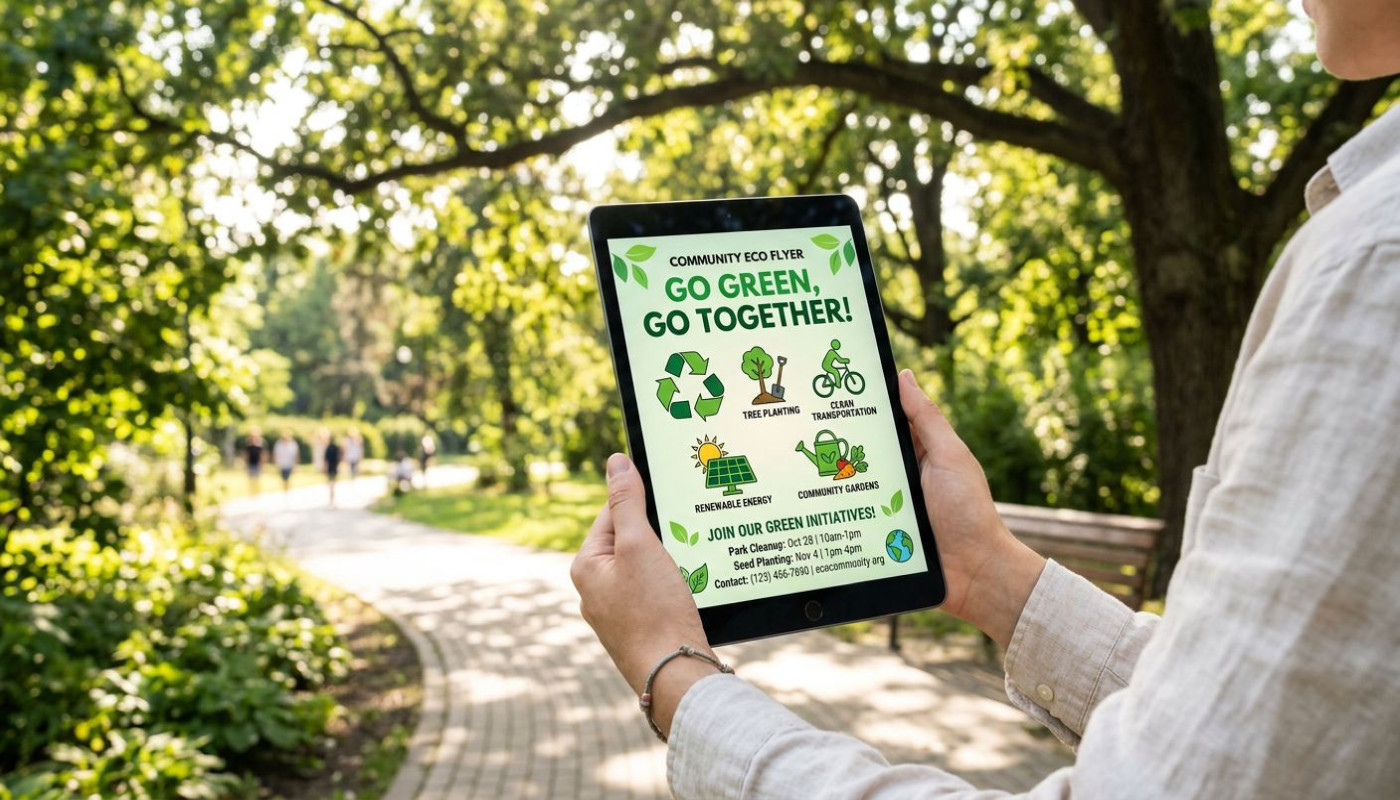
Embracing digital weekly flyers is transforming the way people interact with deals and promotions, while also having a significant impact on the environment. By shifting from paper to electronic formats, communities worldwide contribute to the protection of natural resources and reduction of waste. Explore the compelling environmental advantages of using digital weekly flyers, and see how this sustainable solution benefits both the planet and modern lifestyles.
Less paper, fewer trees lost
Digital flyers represent a transformative shift in how businesses communicate promotions, offering substantial benefits for forest conservation. By transitioning from traditional paper-based materials to digital flyers, there is a marked decrease in the demand for paper, directly contributing to paper reduction and helping to mitigate the widespread issue of deforestation. The production of paper typically requires large-scale harvesting of trees, significantly impacting natural habitats and reducing biodiversity. Eco-friendly promotions through sustainable advertising not only eliminate the need for logging and associated resource consumption but also minimize pollution from paper manufacturing processes. Each digital flyer campaign supports a more responsible approach to advertising that safeguards ecosystems, conserves vital forest resources, and plays a role in global environmental preservation efforts.
Lower carbon footprint
Transitioning to digital weekly flyers significantly reduces the carbon footprint associated with traditional paper-based advertising. Traditional printing processes and the distribution of physical flyers require substantial energy and resources, including paper production, ink usage, transportation, and waste management, all of which contribute to higher greenhouse gas emissions. By shifting to digital advertising, companies embrace eco-conscious marketing practices that leverage green technology, drastically minimizing these emissions. Digital weekly flyers eliminate the need for physical materials and logistics, resulting in measurable energy savings throughout the supply chain. The chief sustainability officer would highlight how digital solutions directly lower the output of greenhouse gases, supporting both emissions reduction targets and broader environmental goals. This approach not only supports sustainability but also enhances a company's reputation as a responsible, forward-thinking organization in the digital age.
Minimized landfill waste
Switching to digital weekly flyers results directly in less landfill waste, as fewer printed materials are produced and discarded. Traditional paper flyers often contribute significantly to municipal solid waste, creating a burden on waste management systems and occupying valuable landfill space for years, sometimes even decades. Digital promotion offers a sustainable marketing strategy by reducing reliance on single-use paper, leading to noticeable waste reduction. Since digital content can be updated and accessed repeatedly without producing physical debris, it aligns closely with zero-waste solutions by minimizing the environmental impact associated with print media. This approach not only conserves natural resources but also supports better long-term environmental waste management by curbing the volume of non-recyclable materials in our communities.
Resource and water conservation
Switching from traditional paper flyers to digital weekly flyers significantly contributes to water conservation by reducing the water footprint associated with paper production. The process of manufacturing paper for marketing materials involves substantial resource consumption, including the extraction of raw materials, transportation, and especially the use of large volumes of water in pulping and bleaching processes. Digital marketing strategies, such as distributing flyers online, eliminate these steps, promoting resource efficiency and supporting eco-friendly alternatives in promotional campaigns. Sustainable practices in retail communications not only limit deforestation but also decrease the environmental impact linked to chemical waste and energy use in conventional printing operations.
From the perspective of a director of corporate sustainability, adopting digital weekly flyers represents a strategic shift toward minimizing the overall water footprint and preserving valuable natural resources. Retailers who utilize platforms such as the No Frills Flyer demonstrate a clear commitment to sustainable practices. By leveraging digital marketing, companies can communicate offers effectively while reducing environmental burdens, making this approach a forward-thinking solution for resource conservation and responsible business operations.
Encouraging eco-conscious consumer behavior
Digital weekly flyers play a significant role in motivating eco-conscious consumers to embrace digital shopping and adopt sustainable habits. By providing instant access to promotions and green choices without generating paper waste, these flyers highlight the practical advantages of reducing one's environmental footprint. Businesses that prioritize responsible marketing through digital communication can effectively showcase their sustainability initiatives, attracting shoppers who are attentive to environmental impact. The head of environmental communications at leading brands often emphasizes how such campaigns contribute to sustainable consumption, a technical term describing patterns of resource use that minimize environmental harm. When digital flyers share information about recyclable products, local sourcing, or energy-saving offerings, they not only inform but also inspire consumers to favor companies committed to eco-friendly practices, reinforcing a cycle of growing environmental awareness in the marketplace.
Similar

How To Analyze A Race Car Driver's Performance Metrics

How to keep your e-reader safe?
